Menu
Protective Gear
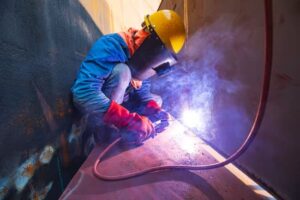
Protective gear, also known as personal protective equipment (PPE), refers to specialized clothing and equipment designed to protect individuals from potential hazards, injuries, or health risks in various environments. These hazards can include physical, chemical, biological, radiological, or other types of dangers. Protective gear is essential in many industries, such as construction, healthcare, manufacturing, emergency services, and more. It plays a crucial role in ensuring the safety and well-being of workers and individuals in hazardous situations.
Types of Protective Gear:
Types of Protective Gear:
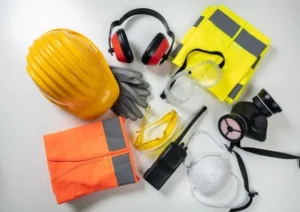
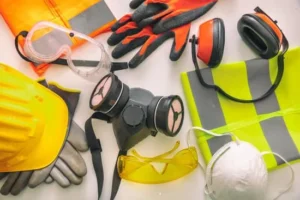
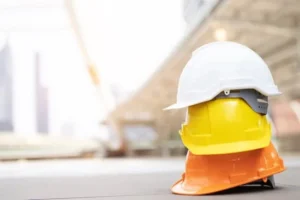
- Safety Helmets: Designed to protect the head from falling objects, impact, or electrical hazards in industries like construction and mining.
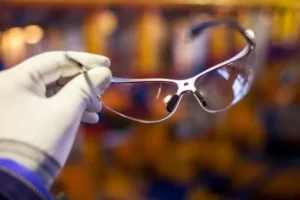
- Safety Glasses/Goggles: Protect the eyes from debris, chemicals, or radiation. They are common in construction, laboratories, and manufacturing.
- Ear Protection: Earplugs or earmuffs help reduce exposure to loud noises in workplaces like factories and construction sites.
- Respirators: Masks that filter out harmful airborne particles, gases, or vapors, essential in industries dealing with hazardous substances.
- Protective Clothing: Includes coveralls, aprons, and chemical-resistant suits to shield the body from chemicals, infectious materials, or extreme temperatures.
- Gloves: Different types of gloves (e.g., latex, nitrile, cut-resistant) offer protection against chemicals, sharp objects, or biological agents.
- Safety Footwear: Boots with reinforced toes to protect feet from heavy objects, electrical hazards, or chemical spills.
- High-Visibility Clothing: Brightly colored clothing with reflective strips to enhance visibility in low-light conditions, used by construction and road workers.
- Life Jackets: Essential safety equipment for individuals working on or near water bodies.
- Fall Protection Equipment: Includes harnesses, lanyards, and anchors to prevent falls from heights in construction and maintenance work.
- Injury Prevention: PPE helps reduce the risk of injuries and accidents, promoting a safer work environment.
- Health Protection: It safeguards individuals from exposure to hazardous substances, preventing long-term health issues.
- Legal Compliance: Many industries are mandated by law to provide and enforce the use of PPE to ensure worker safety.
- Risk Reduction: Protective gear significantly reduces the chances of workplace-related accidents and fatalities.
- Boosts Confidence: Properly equipped workers feel more secure, leading to increased confidence and productivity.